Glaucoma
About Omnikindred
OmniKindred is a nonprofit organization established to address one of the world’s leading causes of irreversible blindness through the Horizon Sight Initiative. Glaucoma affects millions globally, often progressing silently until significant vision loss has already occurred. Despite advances in diagnostics, treatment, and surgical interventions, substantial gaps remain in awareness, early detection, affordability of care, patient education, and access to research opportunities, particularly in underserved communities.
OmniKindred founded this comprehensive initiative to bridge these gaps by creating an integrated ecosystem that seamlessly connects patients and families, ophthalmologists and medical professionals, universities and research institutions, pharmaceutical and biotechnology companies, corporate sponsors, philanthropists, donors, and governments alongside public health stakeholders. The primary focus of these efforts will be concentrated within the United States, followed next by targeted expansion into other countries. Through this strategic geographic rollout, our mission is to improve lives and reduce preventable blindness through education, advocacy, innovation, and collaborative research.


Glaucoma Initiative: Our Mission


Glaucoma Initiative by OmniKindred exists to increase public awareness of glaucoma globally while prioritizing the United States before expanding systematically into Nigeria and other nations based on need.
The initiative is dedicated to promoting early detection and preventive eye health screening, providing robust educational resources for patients and caregivers, and supporting glaucoma-related research and innovation.
By expanding access to treatment and management resources and building international partnerships, OmniKindred aims to accelerate sustainable solutions worldwide.


The Problem We Are Addressing
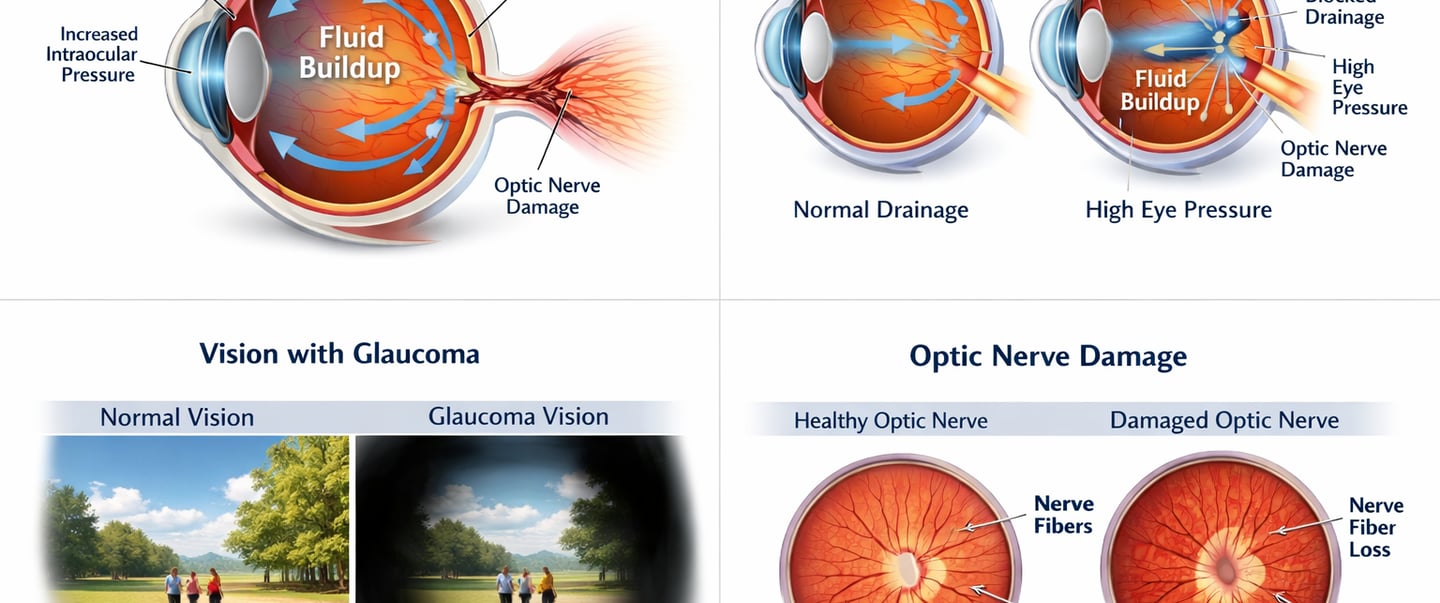
Glaucoma is frequently called the “silent thief of sight” because symptoms may not appear until permanent damage has already occurred. The global burden of this disease is compounded by several key challenges, including low public awareness, late diagnosis, limited access to screening, high treatment costs, inadequate patient education, limited research funding in underserved regions, and poor continuity of care in developing nations. These challenges are particularly severe across rural communities, low-income populations, aging populations, and communities with hereditary risk factors.
Because the primary focus of these programs is the United States, the initiative first addresses domestic barriers such as healthcare inequities, insurance gaps, low screening compliance, and patient education gaps among high-risk populations. Following the United States, the next geographic focus is Nigeria, where barriers include limited specialist availability, infrastructure constraints, severe cost barriers, and a lack of localized awareness campaigns. Other countries will then be integrated into the program as decided by need, addressing similar systemic hurdles on a global scale.